Welcome: Laizhou Machinery Group



Traditional art galleries are built around a permanent address.
Artists, collectors, curators, and visitors travel to the gallery to see the exhibition.
But contemporary art events increasingly appear in different environments: art fairs, hotel events, cultural festivals, luxury developments, shopping districts, private collector events, and temporary exhibitions.
For galleries, art organizations, and event operators in Bangkok, Thailand, an expandable event trailer could create a different model: a professional exhibition gallery that can be deployed where the audience or event is located.
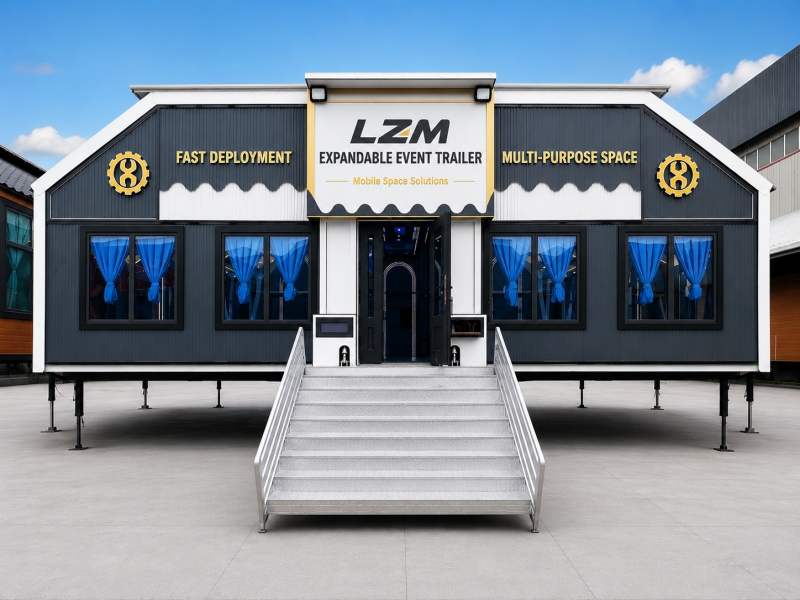
An exhibition booth is usually designed to occupy space inside a larger venue.
A mobile art gallery can operate as the venue itself.
Once expanded, the interior can be configured around:
Painting displays
Photography
Sculpture
Digital art
Artist presentations
Collector previews
Private viewing
Sales consultation
The objective is not simply to transport artwork. It is to create an environment in which artwork can be professionally presented.
This distinction affects everything from wall design to lighting and visitor circulation.
Floor area is only one measurement when designing an art gallery.
For many exhibitions, usable wall length is equally important.
A buyer should consider:
Number of artworks
Typical artwork dimensions
Required spacing
Hanging system
Display height
Number of partitions
Visitor circulation
Movable partitions can potentially create additional display surfaces while allowing the interior layout to change between exhibitions.
A photography exhibition may need a different arrangement from one featuring large-format paintings.
General event lighting is not automatically suitable for an art exhibition.
Gallery operators may require adjustable lighting that allows individual artworks or groups of artworks to be illuminated differently.
The project could consider:
Track lighting
Adjustable spotlights
Ambient lighting
Display lighting
Dimmable systems
Emergency lighting
Lighting positions should follow the exhibition wall layout rather than being treated as an afterthought.
Where color presentation is important, the gallery operator should specify its preferred lighting characteristics during project design.
Art exhibitions in Bangkok must also consider heat and humidity.
Visitors need a comfortable environment, but some artworks may require more carefully controlled conditions.
Depending on the type and value of the works being displayed, buyers may need to evaluate:
Air conditioning
Ventilation
Humidity management
Temperature stability
Direct sunlight control
Not every exhibition requires museum-level environmental control.
However, the environmental requirements should be defined according to the artwork rather than assuming standard event-space HVAC is sufficient for every collection.
Specialized conservation requirements should be established by the gallery, curator, insurer, or relevant art professional.
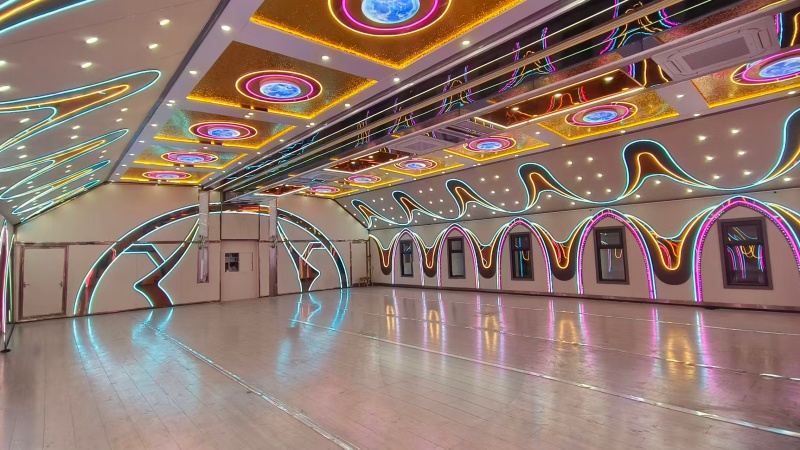
An exhibition may have two very different audiences.
During public opening hours, the operator may want visitors to move freely through the gallery.
Before the public opening, selected collectors may be invited for a private preview.
The interior could therefore include:
Main exhibition area
Reception
Private consultation space
VIP seating
Staff workspace
Secure storage
A collector considering a significant purchase may prefer to discuss the artwork privately rather than standing in the middle of a crowded exhibition.
Private consultation space can therefore support the commercial side of the gallery operation.
Mobility changes the traditional relationship between gallery and buyer.
Instead of relying entirely on collectors visiting one permanent gallery, an operator could potentially take a curated exhibition to selected markets.
For example, the facility could support:
Private preview → Art fair period → Luxury property event → Corporate collection presentation → Another city
The exhibition itself could change while the physical gallery infrastructure remains reusable.
This model may be particularly relevant to galleries representing artists across several markets.
Art businesses do not necessarily need to operate only in established gallery districts.
Depending on local permissions and commercial agreements, a mobile gallery could potentially be deployed alongside:
Luxury hotels
High-end residential developments
Design events
Cultural festivals
Shopping destinations
Private events
Corporate campuses
A property developer, for example, might combine an art exhibition with a luxury residential launch.
A hotel could host a temporary cultural program for guests and invited collectors.
The same expandable facility can be reconfigured for different partnerships.
Artwork value can vary enormously.
A student exhibition and a private preview of high-value collectible works require very different security arrangements.
Depending on the project, operators may need to consider:
Controlled entry
CCTV
Alarm systems
Access control
Secure storage
Staff-only areas
Exterior security
Visitor management
The trailer can be designed with provisions for required systems, while the final security strategy should be established by the operator according to the collection, insurer, and local requirements.
Not every exhibition depends on physical paintings.
A mobile gallery could also be configured for:
Digital photography
Video art
Interactive installations
Projection
Large-format screens
Multimedia exhibitions
These applications change the electrical and technical requirements.
Buyers should specify:
Number of screens
Screen dimensions
Projectors
Computers
Audio equipment
Network requirements
Total electrical load
Cable routing and equipment mounting positions can then be considered during production.
A gallery should not simply maximize the number of visitors allowed inside.
Crowding can reduce viewing quality and increase the risk of accidental contact with displayed works.
Interior planning should consider:
Entrance
Direction of visitor movement
Viewing distance
Artwork protection
Accessible circulation
Emergency exits
Maximum occupancy
For exhibitions involving sculptures or freestanding installations, additional clearance may be required.
A good gallery layout gives artwork enough space to be seen.
One of the strongest commercial arguments for a mobile gallery is reuse.
A permanent building has fixed walls and a fixed location.
An expandable gallery can potentially change:
Exhibition theme
Interior partitions
Artwork
Branding
Digital content
VIP configuration
One month it could feature contemporary paintings.
The next project could focus on photography, sculpture, design, or multimedia work.
For a gallery operator or cultural-event company, this allows the physical venue to become a reusable exhibition asset.
Before selecting the trailer size and interior configuration, buyers should prepare information such as:
Type of artwork
Number and dimensions of artworks
Required exhibition wall length
Partition requirements
Lighting requirements
Environmental requirements
Expected visitor capacity
VIP consultation requirements
Security requirements
Storage requirements
Digital equipment
Frequency of relocation
Transportation, electrical systems, accessibility, fire safety, public occupancy, artwork insurance, security, site use, and other applicable requirements should be evaluated according to Thai and local project requirements.
A permanent gallery remains valuable for building a long-term presence in one location.
But art does not always need to remain tied to that address.
An expandable event trailer can provide exhibition walls, controlled lighting, visitor space, private collector areas, and configurable display infrastructure that can be deployed for different exhibitions and locations.
For galleries, cultural organizations, art-event companies, and luxury businesses in Bangkok and other markets, the concept creates another way to take exhibitions closer to collectors and audiences.
LZM develops customized expandable event trailers according to interior layout, display requirements, climate conditions, lighting, electrical systems, and individual commercial applications.
Explore the expandable platform for mobile galleries and temporary art exhibitions:
Mobile Art Exhibition & Collector Preview Gallery