Welcome: Laizhou Machinery Group



Auctions are not simply transactions. For high-value items, the environment where buyers inspect products, meet specialists, and participate in bidding can influence the entire customer experience.
In Dallas, Texas, auction companies may organize sales involving collectibles, luxury goods, machinery, memorabilia, art, or other specialty assets. Some of these events take place away from a permanent auction house, creating a need for professional temporary space.
An expandable event trailer can provide a transportable indoor environment for auction companies that need to operate at different locations.
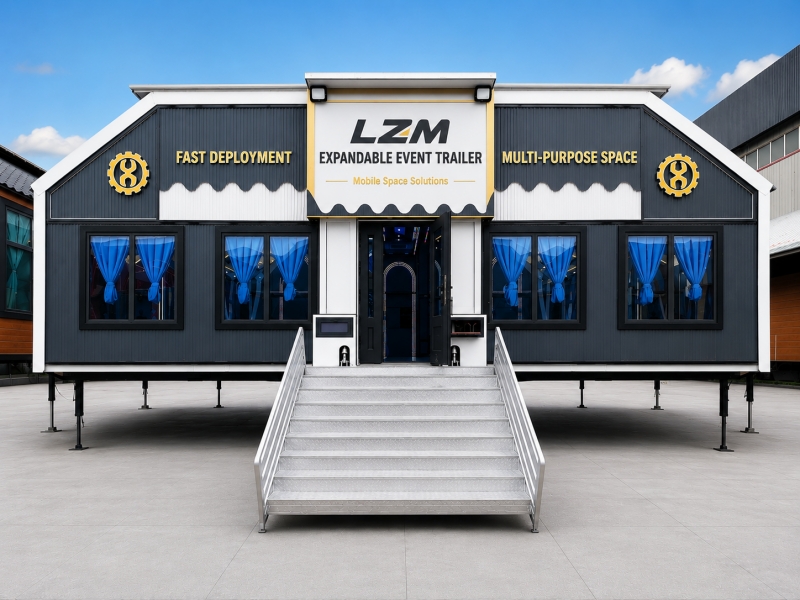
Buyers often need time to inspect, compare, and discuss items before an auction begins.
Depending on the type of sale, an auction event may require:
Registration and reception area
Product presentation space
Buyer seating
VIP consultation area
Auctioneer position
Display screens
Staff workspace
For specialty auctions, the customer experience may be closer to a private commercial event than a conventional public sale.
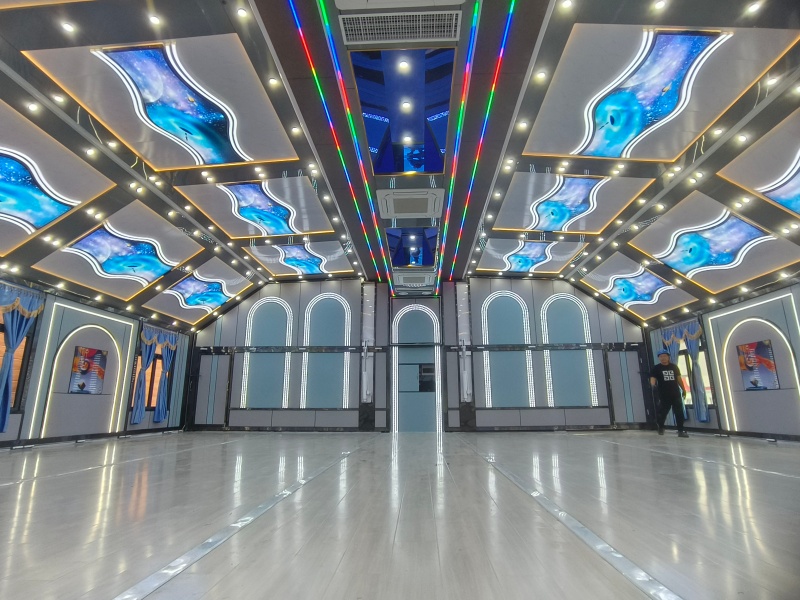
Permanent auction houses work well when items can easily be transported to one location. That is not always practical.
Certain auctions may be organized near:
Private collections
Estates
Commercial properties
Agricultural locations
Exhibition grounds
Sporting events
Temporary sales sites
Instead of moving every event into a permanent building, an auction company can consider moving the event facility closer to the inventory and buyers.
This creates a different operating model for businesses that organize auctions in multiple locations.
An auction for watches has very different spatial requirements from an auction involving furniture, equipment, or large collectibles.
Before planning the interior, buyers should define:
Size of displayed items
Number of lots
Inspection requirements
Expected buyer attendance
Security requirements
Seating arrangement
Storage needs
The expandable structure can then be configured around the actual auction format.
Many auctions now combine physical attendance with online bidding.
A mobile auction facility may therefore need more than tables and chairs.
Possible technical requirements include:
Internet connectivity
Cameras
Microphones
Display screens
Online bidding equipment
Audio systems
Production workstations
Electrical connections and equipment positions should be considered during the design stage.
For hybrid auctions, the venue becomes both a customer space and a live digital production environment.
Some auctions last several hours or include preview sessions before bidding begins.
Climate control, lighting, seating, and circulation therefore become important parts of the event environment.
For projects operating in Texas, cooling capacity should be evaluated according to outdoor temperatures, occupancy, equipment load, trailer size, and operating season.
The goal is to create an indoor environment suitable for both buyers and staff throughout the event.
The potential buyer is broader than a traditional auction house.
Possible operators include:
Auction companies
Collectibles specialists
Luxury goods dealers
Estate sale businesses
Agricultural auction companies
Event organizers
Commercial asset specialists
A rental company could also potentially operate the facility for different auction clients rather than limiting it to one category of goods.
The right trailer configuration depends on how the auction business actually operates.
Useful project information includes:
Type of items being auctioned
Maximum number of buyers
Required display area
Seating requirements
Digital bidding equipment
VIP or private consultation needs
Frequency of relocation
Available site power
Transportation, electrical, fire safety, accessibility, public occupancy, and other applicable requirements should be evaluated according to local standards and the final project location.
A permanent auction house remains appropriate for businesses operating repeatedly from one location. A mobile auction event space addresses another requirement: taking a professional sales environment to changing inventory, customers, and commercial opportunities.
For auction businesses in Dallas and other markets, an expandable structure can provide a configurable indoor environment for previews, bidding, customer reception, and hybrid online events.
LZM develops expandable event trailers according to event capacity, interior layout, electrical requirements, climate conditions, and individual business applications.
Explore the expandable platform for auction and specialty sales projects: