Welcome: Laizhou Machinery Group


Podcasts, interviews, livestreams, and branded video content are increasingly produced outside traditional studios. For media companies and brands, the challenge is often not finding recording equipment — it is creating a professional production environment where the audience or event is already happening.
Austin, Texas has a strong combination of technology, music, festivals, conferences, and creative industries. A mobile podcast and creator studio can give production teams a flexible indoor space that moves closer to these activities instead of requiring every project to return to a fixed studio.
An expandable event trailer offers one way to create this type of temporary but professional production environment.
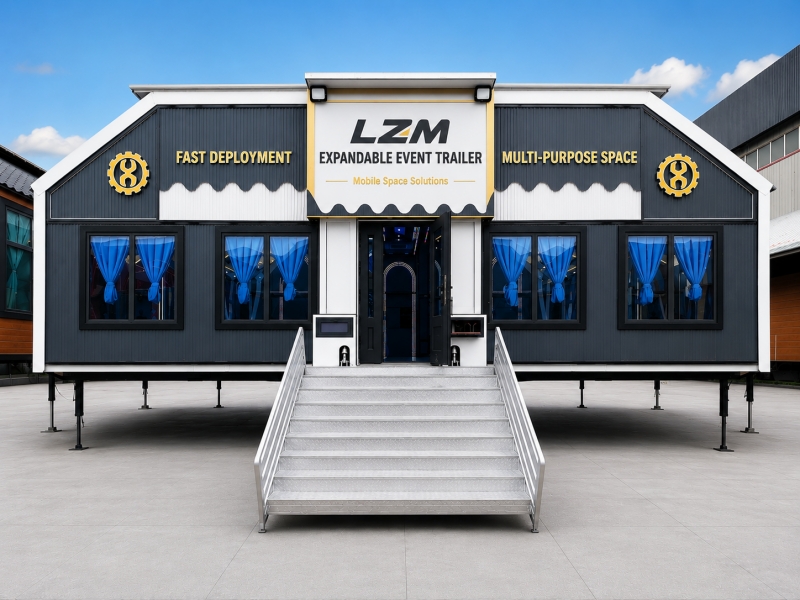
A mobile production space can turn the event location itself into part of the content strategy.
Instead of transporting guests, presenters, and production teams to a permanent studio, the studio can be deployed near:
Conferences and trade shows
Music and cultural festivals
Sports events
Corporate events
Product launches
University and technology events
For brands and media companies, this can make interviews and content production easier to integrate into a larger event program.
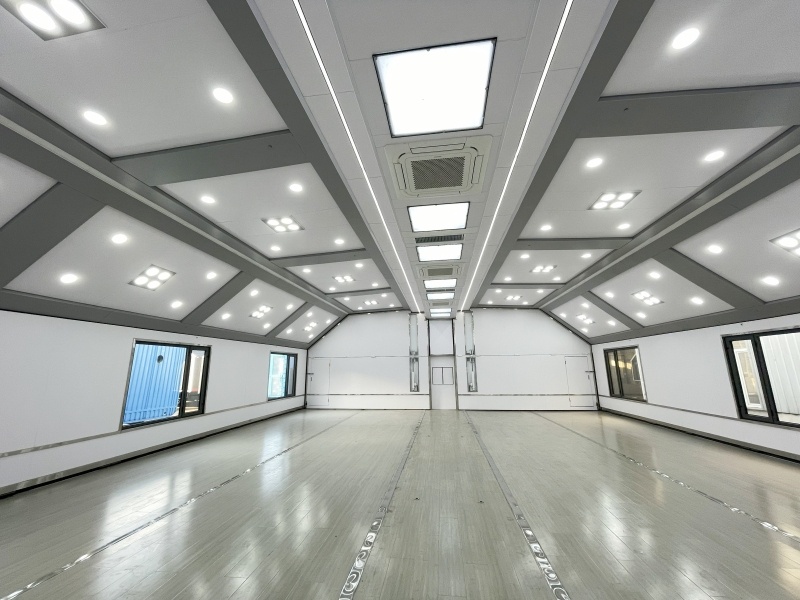
Traditional broadcast vehicles are often designed around technical equipment and compact control areas. A creator-focused project may need a different type of interior.
After expansion, the available space can be divided according to the production workflow.
Possible areas include:
Podcast recording zone
Video interview set
Production control area
Guest waiting space
Equipment storage
Small reception area
The objective is not simply to transport equipment, but to create a usable studio environment for both production teams and guests.
A podcast or creator studio is also a visual environment.
For video podcasts, interviews, and branded content, buyers may want to consider interior finishes, lighting positions, background design, acoustic treatment, and concealed wiring during the planning stage.
Different projects may require very different interiors. A technology company may prefer a clean corporate environment, while an entertainment brand may want a more immersive studio design.
The expandable structure allows the interior concept to be developed around the intended content rather than around a standard vehicle layout.
Technical requirements should be discussed before the interior configuration is finalized.
A mobile creator studio may need power for:
Cameras
Studio lighting
Audio equipment
Editing systems
Display screens
Air conditioning
Additional production equipment
Sound control is another consideration. The required acoustic treatment depends on whether the trailer will mainly support podcasts, interviews, livestreaming, or other forms of production.
For projects in Texas, cooling capacity also deserves attention because the facility may operate during periods of high outdoor temperatures.
The business model is not limited to traditional broadcasting companies.
Potential operators may include:
Podcast production companies
Event production agencies
Marketing agencies
Corporate communication teams
Content creators
Universities
Sports organizations
Mobile studio rental companies
A rental operator, for example, could deploy the same studio at different events throughout the year rather than depending on a single permanent location.
Before selecting the trailer size and configuration, buyers should first define how the studio will actually operate.
Important questions include:
How many people will work inside?
Will guests or audiences enter the studio?
Is the main format audio, video, or both?
How much production equipment will be installed?
Is acoustic treatment required?
Will the trailer move frequently between events?
What electrical supply is available at each site?
Local transportation, electrical, operating, and other applicable requirements should also be evaluated according to the standards of the project location.
A permanent studio remains appropriate for regular production at one location. A mobile creator studio serves a different purpose: bringing a controlled production environment to changing audiences, events, and commercial opportunities.
For Austin's event, technology, entertainment, and creative industries, this model may provide media companies and brands with another way to produce content closer to where their stories are happening.
LZM develops expandable event trailers with layouts and interior configurations based on individual project requirements.
Explore the expandable platform for mobile podcast and content production projects:
Mobile Podcast & Creator Studio Platform