Welcome: Laizhou Machinery Group



Mongolia offers vast grasslands, remote travel routes, mountain regions, and long-distance adventure opportunities. However, cold temperatures, strong winds, limited infrastructure, and large distances between service locations create demanding conditions for caravan travel.
For caravan dealers and importers in Ulaanbaatar, selecting the right model involves much more than choosing an attractive interior or comparing purchase prices.
A caravan intended for Mongolia should be configured around insulation, heating, cold-weather plumbing, battery performance, structural durability, and off-grid independence.
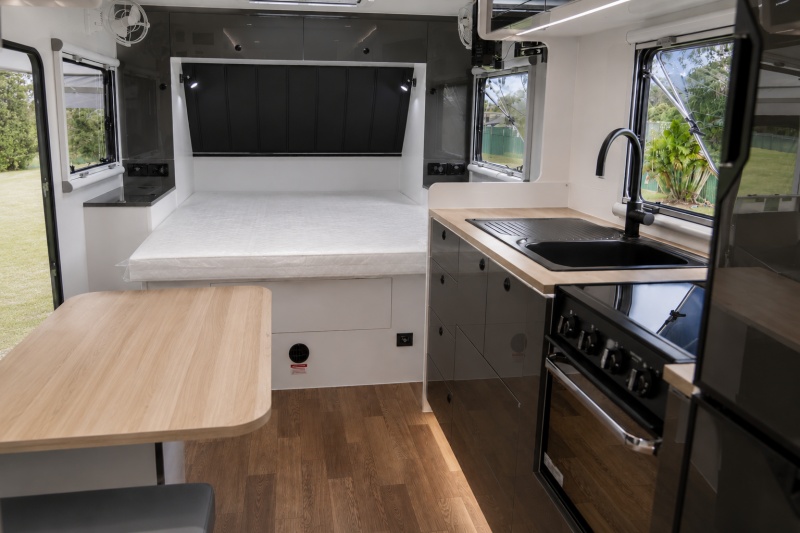
Interior comfort depends heavily on the caravan's thermal performance.
Important areas include:
Wall insulation
Roof insulation
Floor insulation
Window sealing
Door sealing
Protection around service openings
Poor insulation increases heating demand and may create condensation inside the caravan.
Dealers should ask manufacturers about the complete wall, roof, and floor structure rather than relying only on a general statement that the caravan is suitable for cold weather.
A reliable heating system is one of the most important features for winter travel.
Possible options may include:
Diesel heating
Gas heating
Electric heating
Combined air and water heating systems
The correct system depends on the caravan size, expected occupancy, available fuel, battery capacity, and intended operating temperature.
Commercial buyers should also consider:
Fuel availability
Replacement parts
Control-system simplicity
Local maintenance capability
Heating efficiency
A larger heater is not automatically better. The system should be matched to the caravan's insulation and interior volume.
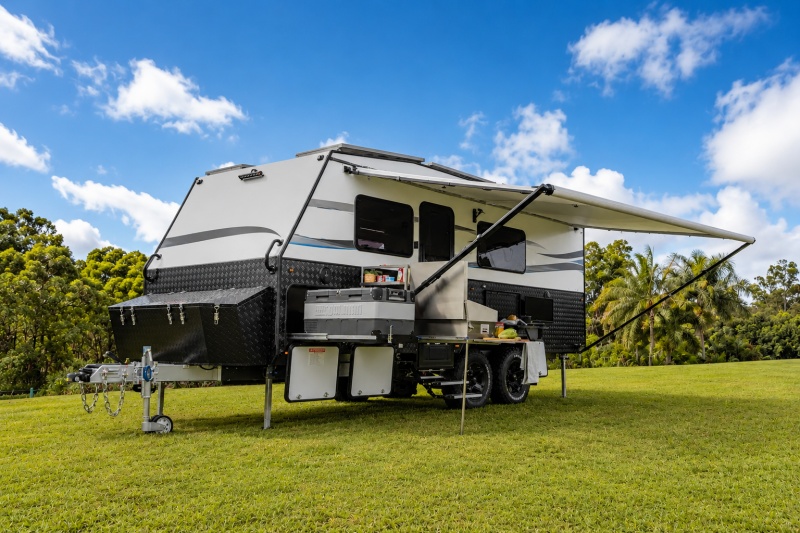
Cold weather can damage water tanks, pipes, pumps, and fittings.
A winter-ready caravan may require:
Insulated freshwater tanks
Protected plumbing lines
Heated water compartments
Drainage points
Accessible valves
Pipe insulation
Water tanks located beneath the floor may need additional protection when the caravan is used in very low temperatures.
Dealers should confirm where tanks and pipes are installed before ordering.
Lithium batteries provide important advantages for off-grid travel, but low temperatures can affect charging performance.
A cold-weather electrical package may include:
Low-temperature battery protection
Battery heating
Insulated battery compartments
Battery monitoring system
Suitable charging equipment
Solar and external charging options
The complete electrical design should be evaluated as one system rather than purchasing batteries, solar panels, and inverters separately.
Solar panels can help recharge caravan batteries, but winter conditions may reduce daily solar production.
Factors include:
Shorter daylight hours
Cloud cover
Snow on panels
Low sun angles
Shaded parking locations
For this reason, winter travellers may also need:
DC-to-DC charging from the tow vehicle
External mains charging
Generator connection
Efficient power management
A balanced charging system provides greater reliability than depending only on roof-mounted solar panels.
Mongolian travel conditions may include both winter wind and dusty summer routes.
Dealers should inspect:
Window seals
Door seals
Roof openings
Exterior storage doors
Plumbing penetrations
Electrical cable entries
Good sealing improves interior comfort and reduces dust entering cabinets, equipment compartments, and living areas.
Cold-weather comfort is important, but structural durability remains essential.
A suitable off road caravan may require:
Heavy-duty chassis
Independent suspension
High ground clearance
Strong drawbar
Off-road coupling
Protected water tanks
Durable underbody components
Dealers should consider where their customers will actually travel, including paved roads, gravel routes, grasslands, and remote tracks.
Winter travellers spend more time inside the caravan, so the interior should be comfortable and easy to maintain.
Useful features may include:
Practical storage
Moisture-resistant surfaces
Easy-to-clean flooring
Ventilation
Comfortable dining space
Accessible heating controls
Space for winter clothing and equipment
A visually attractive interior is valuable, but commercial buyers should also evaluate durability and everyday usability.
Not every buyer needs the same specification.
A dealer may offer several packages.
Suitable for moderate weather and seasonal use.
It may include:
Standard insulation
Basic heating
Solar-ready wiring
Regular freshwater system
Suitable for colder routes and longer journeys.
It may include:
Enhanced insulation
Larger heating system
Protected plumbing
Low-temperature battery features
Additional charging options
Designed for extended remote travel.
It may include:
High-capacity lithium batteries
Expanded solar system
DC-to-DC charging
Insulated water systems
Advanced heating
Additional freshwater storage
Different packages allow dealers to serve customers with different budgets and travel requirements.
Dealers and importers can browse the complete LZM Off Road Caravan range here:
https://www.lgloader.com/list/54-chinese-china-off-road-caravan.html
The LZM 21ft Off Road Caravan can be discussed with configuration options for cold-weather, long-distance, and off-grid travel.
Available features and options may include:
Heavy-duty off-road chassis
Independent suspension
Solar-ready electrical system
Lithium battery options
Heating-system options
Freshwater storage
Kitchen and bathroom facilities
OEM branding
Customized interior and equipment packages
Specifications should be confirmed according to expected temperatures, travel routes, local requirements, and customer use.
Learn more about the LZM 21ft Off Road Caravan here:
https://www.lgloader.com/products/285-21ft-Off-Road-Caravan-For-Sale.html
For winter travel in Mongolia, choosing an off road caravan requires careful attention to insulation, heating, water-system protection, battery performance, sealing, and charging capacity.
A caravan designed only for warm-weather camping may not provide reliable performance in colder and more remote conditions.
For dealers and importers in Ulaanbaatar, offering clearly defined climate packages can help customers understand the differences between standard, winter, and premium off-grid configurations.
The right specification should balance comfort, durability, maintenance, price, and the actual environments in which customers plan to travel.