Welcome: Laizhou Machinery Group



A successful tourism destination can create an unexpected infrastructure problem: visitors do not always arrive where the permanent tourist information office is located.
Cruise arrivals, festivals, holiday seasons, major events, new attractions, and changing visitor flows can temporarily concentrate thousands of tourists in particular areas.
For tourism authorities and destination operators in Cartagena, Colombia, an expandable event trailer could provide a mobile tourist information and visitor welcome center that can be deployed where visitor services are actually needed.
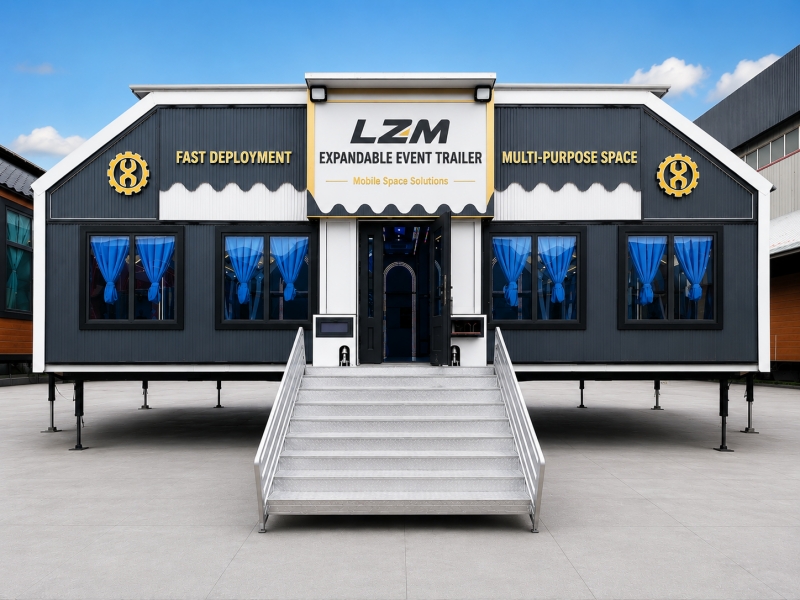
Traditional visitor centers depend on tourists finding them.
A mobile facility reverses that relationship.
Instead of expecting visitors to travel to one permanent office, tourism organizations could potentially deploy an information center near:
Cruise passenger arrival areas
Major tourism districts
Festival locations
Seasonal attractions
Large public events
Transportation hubs
Temporary tourism activities
Location becomes part of the visitor-service strategy.
The facility can be positioned according to changing tourism demand, subject to local site permissions and operating requirements.
Modern tourism information services involve much more than printed brochures.
Visitors may want assistance with:
Local attractions
Guided tours
Transportation
Restaurant information
Cultural activities
Accommodation
Event schedules
Ticket reservations
Regional travel
The interior therefore needs to support both quick enquiries and longer conversations.
A visitor asking for directions may need only a few minutes. A family planning several days of activities may need to sit with a tourism adviser and compare multiple options.
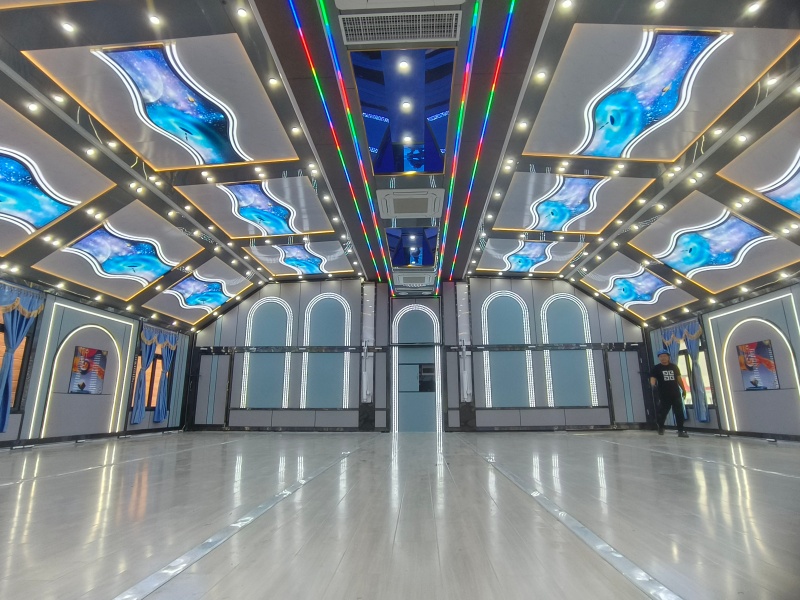
A practical visitor center could be divided according to different service needs.
For example:
Welcome counter
General information area
Digital information screens
Tourism brochure displays
Consultation tables
Tour-booking desks
Local business information area
Staff workspace
Storage
Separating quick visitor enquiries from detailed trip planning can improve customer flow during busy periods.
The required number of service positions should be based on expected visitor volume.
A destination visitor center can also create a connection between tourists and local businesses.
Hotels, tour operators, restaurants, attractions, transport companies, and activity providers may want their services presented to arriving visitors.
Depending on the operating model, the facility could include information about:
City tours
Boat excursions
Cultural experiences
Restaurants
Museums
Adventure activities
Local transportation
Regional destinations
Digital displays can make this content easier to update as offers, events, and seasonal activities change.
Cruise destinations experience a particular visitor-flow challenge.
Large numbers of passengers can arrive within a relatively short period and leave again later the same day.
Permanent tourism infrastructure may be sufficient during normal periods but face much higher demand when several vessels or large groups arrive.
A mobile visitor facility could potentially provide temporary additional service capacity during peak cruise periods and be relocated or used differently when demand decreases.
For destinations with seasonal tourism, this flexibility may be commercially useful.
International visitors may speak many different languages.
Instead of relying exclusively on printed material, a mobile visitor center could use screens, tablets, QR codes, and digital information systems to provide multilingual content.
The facility may therefore require:
Display screens
Computers
Tablets
Wi-Fi
Charging points
Digital signage
Ticketing or booking systems
Electrical capacity, connectivity, screen positions, and cable routing should be planned before the interior is finalized.
Tourists may already have spent considerable time outdoors in warm and humid conditions.
A climate-controlled information center can provide a more comfortable environment for longer consultations and travel planning.
HVAC requirements should be evaluated according to:
Trailer dimensions
Visitor volume
Number of staff
Outdoor temperature and humidity
Electronic equipment
Operating hours
Door-opening frequency
Cooling capacity should reflect actual visitor turnover rather than only the nominal floor area.
A tourism information facility should communicate where visitors have arrived.
Exterior graphics and interior displays could incorporate destination branding, local imagery, maps, cultural information, and tourism campaigns.
But the structure does not necessarily need to remain dedicated to one campaign permanently.
Display panels and digital content can be changed when the facility moves to another event, district, or tourism program.
This creates potential for repeated use rather than a one-time installation.
Potential buyers or operators could include:
Tourism authorities
Municipal governments
Destination management organizations
Cruise tourism operators
Tourism development agencies
Resort groups
Attraction operators
Tourism event organizers
A regional tourism authority could potentially use the same facility for different seasonal campaigns or destinations.
Private tourism companies could use a similar concept for customer reception and tour sales.
Tourism demand is rarely distributed evenly throughout the year.
A permanent visitor center remains useful where demand is stable and the location is established.
A mobile facility addresses a different requirement: temporary or changing concentrations of visitors.
During one period, the center could support cruise tourism. At another time, it could potentially be deployed for a festival, sporting event, tourism campaign, or seasonal attraction.
That ability to reuse the same infrastructure can become part of the purchasing decision.
Before selecting the trailer size and interior configuration, a tourism organization should define:
Expected visitors per day
Peak simultaneous occupancy
Number of tourism advisers
Number of consultation desks
Digital display requirements
Booking-system requirements
Brochure and storage requirements
HVAC requirements
Accessibility requirements
Expected relocation frequency
Transportation, electrical, accessibility, fire-safety, public-occupancy, signage, site-use, and other applicable requirements should be evaluated according to Colombian and local standards.
Tourism infrastructure does not always have to remain at one permanent address.
For destinations experiencing seasonal demand, cruise arrivals, major events, or changing visitor patterns, a mobile tourist information center can provide reception, information, booking, consultation, and destination-promotion space where it is needed.
For tourism organizations in Cartagena and other destinations, an expandable event trailer can be configured around visitor capacity, service counters, digital systems, branding, storage, accessibility, and climate requirements.
LZM develops customized expandable event trailers according to individual tourism, commercial, hospitality, and public-service applications.
Explore the expandable platform for tourism information and visitor-service projects:
Mobile Tourist Information & Visitor Welcome Center