Welcome: Laizhou Machinery Group



Public services often need to reach people beyond traditional buildings. However, constructing permanent facilities for every community program, temporary project, or regional service requirement may require significant time and investment.
In Santiago, Chile, and other growing regions, organizations may need flexible indoor spaces that can support different public activities while maintaining a professional environment.
An expandable event trailer provides an alternative approach by creating a mobile facility that can be adapted according to different public service requirements.
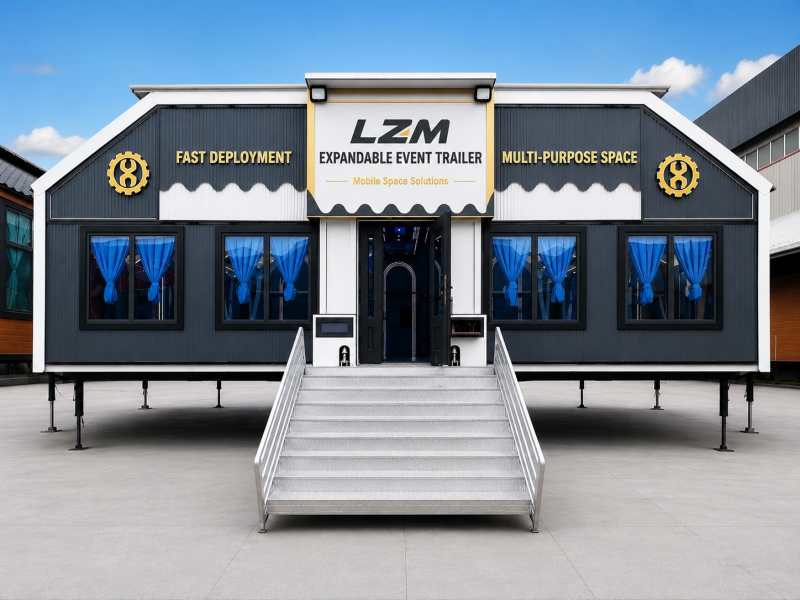
Flexible public facilities help organizations bring services closer to the communities they support.
Traditional buildings are suitable for long-term operations, but some programs require temporary or additional locations.
Potential applications include:
Community information centers
Public consultation spaces
Temporary administration offices
Citizen service points
Local outreach programs
A mobile public facility allows organizations to establish organized service areas without waiting for permanent construction.
A successful public service facility requires efficient space planning and a clear workflow.
The interior layout can be designed according to different operational needs.
Important considerations include:
Reception areas
Service counters
Visitor waiting spaces
Staff working areas
Document storage
Meeting sections
The final configuration depends on the number of users, service type, and expected operating conditions.
Public programs may change because of population growth, temporary campaigns, or regional development needs.
Expandable structures can provide:
Additional indoor space without permanent construction
Faster deployment between locations
Protection from different weather conditions
Flexible layouts for different applications
For organizations managing changing service demands, adaptable facilities can improve operational flexibility.
Before starting a project, buyers should evaluate several important factors.
The layout should support both staff efficiency and visitor experience.
Important points include:
Expected daily visitors
Number of service stations
Privacy requirements
Staff workspace
These details help determine the most suitable configuration.
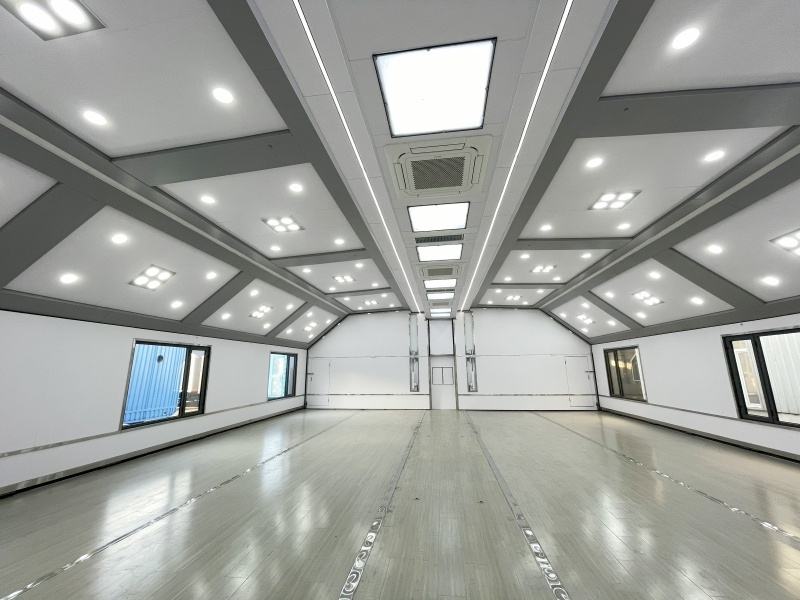
Mobile facilities may operate in different environments.
Depending on the project location, buyers may need to consider:
Air conditioning
Heating systems
Insulation
Ventilation requirements
A suitable climate control system helps maintain a comfortable indoor environment.
Public service facilities may require reliable power systems for:
Office equipment
Lighting systems
Communication devices
Daily operations
Electrical requirements should be evaluated according to local standards and project needs.
Mobile public facilities do not replace every permanent government building. Instead, they provide another option for organizations that need temporary or additional service spaces.
From community programs in Santiago to regional public projects across Chile, expandable structures can help create professional indoor environments where services are needed.
LZM provides customized expandable event trailer solutions for government, education, commercial, and public applications.
Explore the expandable platform for mobile public service projects:
Mobile Public Service Facility Platform