Welcome: Laizhou Machinery Group



Rome is home to extraordinary collections of art, archaeology, architecture, and cultural heritage. Yet museums and cultural institutions face an important challenge: not every potential visitor can easily access a permanent museum building, and not every exhibition needs to remain in one location.
Schools, local communities, tourism events, cultural festivals, and public spaces all create opportunities for museums to engage audiences beyond their traditional walls.
A Mobile Exhibition Trailer can provide a controlled, expandable environment that brings selected collections, educational content, and cultural experiences closer to the public.
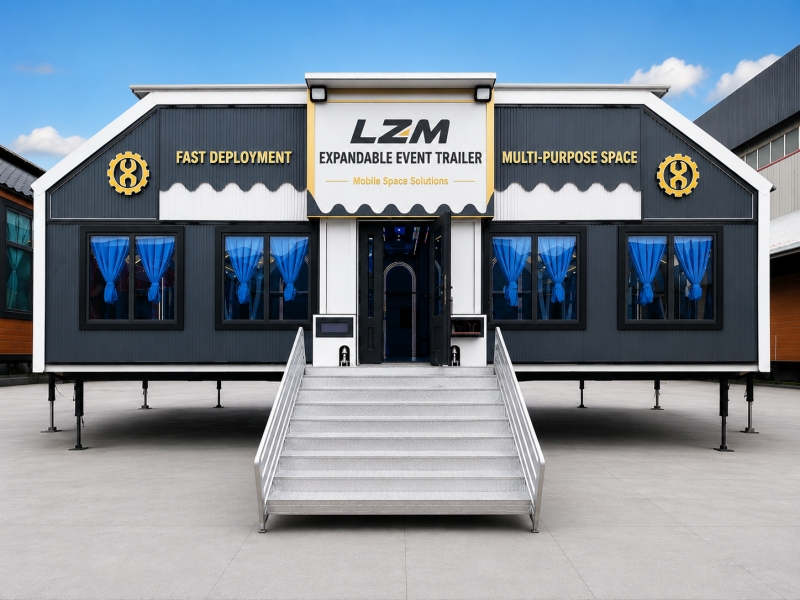
A permanent exhibition depends on visitors coming to one location.
A mobile exhibition can reverse that relationship by bringing cultural content directly to audiences in different districts, towns, schools, and public spaces.
Depending on the exhibition theme, the interior may include:
Reproductions of historical objects
Archaeological information
Digital archives
Interactive displays
Educational videos
Cultural timelines
Regional heritage stories
The exhibition content can be updated as the trailer moves between different destinations.
Museums play an important role in education, but school visits may involve transportation costs, scheduling challenges, and limited access.
An expandable mobile museum can support outreach programs near schools and educational institutions.
The interior may be designed for:
History lessons
Archaeology workshops
Art education
Multimedia presentations
Student activities
Cultural heritage programs
Instead of replacing a museum visit, the mobile facility can introduce students to collections and encourage future engagement with cultural institutions.
Rome hosts public celebrations, tourism activities, heritage programs, art events, and cultural festivals throughout the year.
During major events, museums may need additional exhibition or visitor engagement space without changing their permanent galleries.
A mobile exhibition trailer can operate as:
A temporary cultural pavilion
A festival information center
A digital heritage exhibition
A visitor orientation area
A museum promotion center
After the event, the facility can move to another program rather than remaining unused.
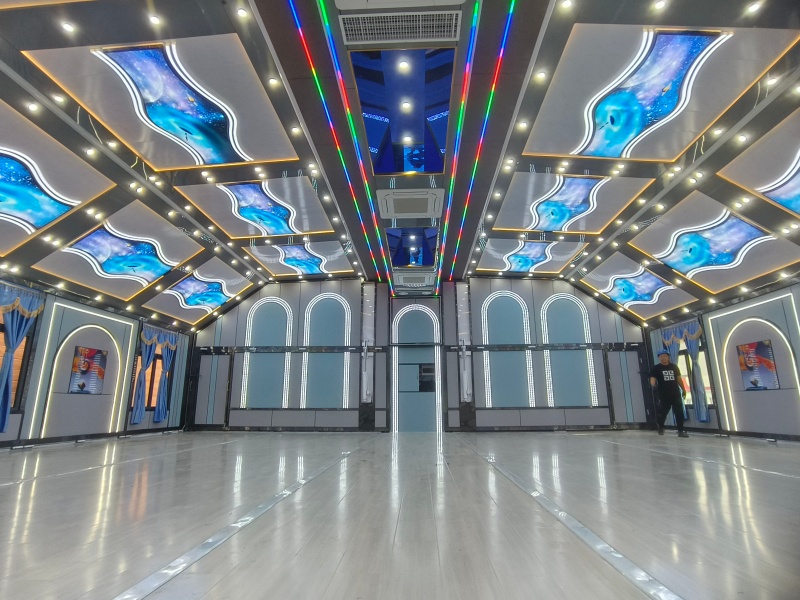
Some historical objects are too valuable, fragile, or sensitive to travel.
Digital technology allows cultural institutions to share these stories without moving original collections.
An expandable mobile exhibition space can include:
LED video walls
Interactive touchscreens
Digital reconstructions
Virtual exhibition content
Audio presentations
Projection systems
This approach can make complex historical information more accessible while protecting original artifacts.
A mobile cultural exhibition does not need to serve only one museum.
It may support cooperation between:
Museums
Tourism authorities
Universities
Archaeological organizations
Cultural foundations
Local governments
Schools
Corporate sponsors
Shared programs can expand audience reach and create new opportunities for cultural education and tourism promotion.
A successful mobile museum should not simply place display panels inside a trailer.
The layout should guide visitors through a clear story.
For example:
Introduction → Historical Background → Main Exhibition → Interactive Experience → Education Area → Future Visit Information
Depending on the project, the expandable interior may include:
Display walls
Digital screens
Exhibition lighting
Climate control
Reception counters
Flexible partitions
Seating areas
Museum branding
The required systems should be planned according to the exhibition content and any applicable conservation requirements.
The commercial and educational value of a mobile exhibition space depends on how often it can be reused.
After completing one cultural program in Rome, the same facility may support:
Regional museum tours
School education campaigns
Tourism exhibitions
International cultural exchanges
University heritage projects
Public history programs
Replaceable exhibition panels, adaptable digital content, and flexible interior layouts can allow the space to support different themes over time.
Museums preserve history, but the ways people experience culture continue to evolve.
A mobile exhibition trailer can help cultural organizations reach new communities, support education, participate in public events, and introduce heritage to audiences outside traditional museum locations.
For museums seeking broader public engagement, mobility can become part of the cultural experience itself.
LZM develops customized expandable mobile spaces for exhibitions, museums, tourism programs, education projects, brand experiences, public events, and commercial applications.
Share your exhibition theme, expected visitor capacity, display requirements, planned destinations, and preferred interior layout. Our team can develop a customized expandable space around the visitor experience.
Product details:
LZM Luxury Expandable Event Trailer